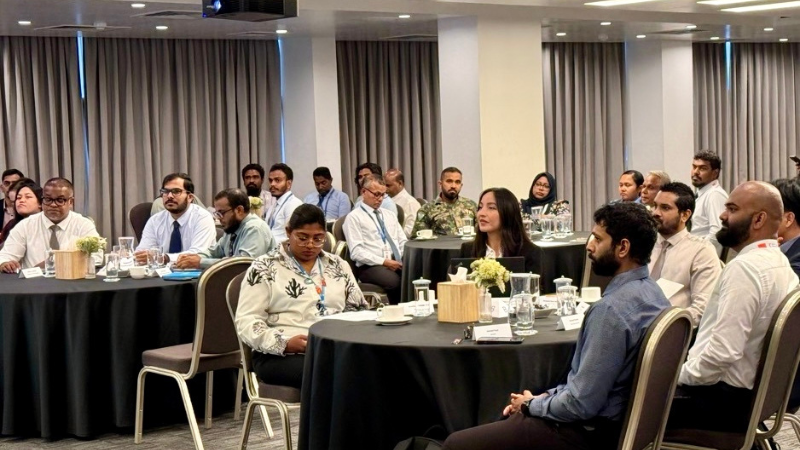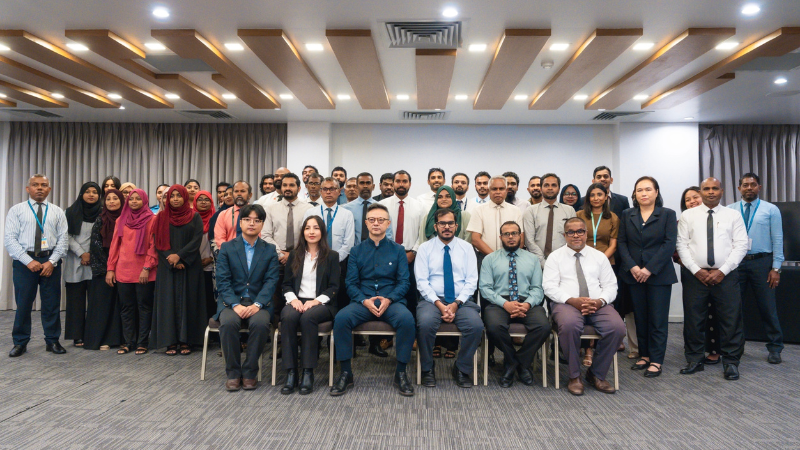
On 30 March 2026, the Climate Change Department of Ministry of Tourism and Environment and Maldives Meteorological Service co-hosted a High-Level Dialogue and Stakeholder Engagement Workshop in Male’, bringing together government institutions, development partners, technical experts, and stakeholders from across sectors. The event focused on advancing the joint implementation of the Systematic Observations Financing Facility (SOFF)-Funded UNEP Investment Phase and the GCF TRACT Project, both of which are central to strengthening national climate resilience and early warning systems.
The workshop provided a platform to enhance coordination, share knowledge, and build a common understanding of how climate data and early warning systems can better support decision-making and disaster preparedness across the country.
The workshop opened with remarks from the Minister of State for Tourism and Environment Mr. Ibrahim Mimrah, highlighting the Maldives’ continued commitment to climate resilience, particularly through investments in multi-hazard early warning systems and strengthened climate data infrastructure.

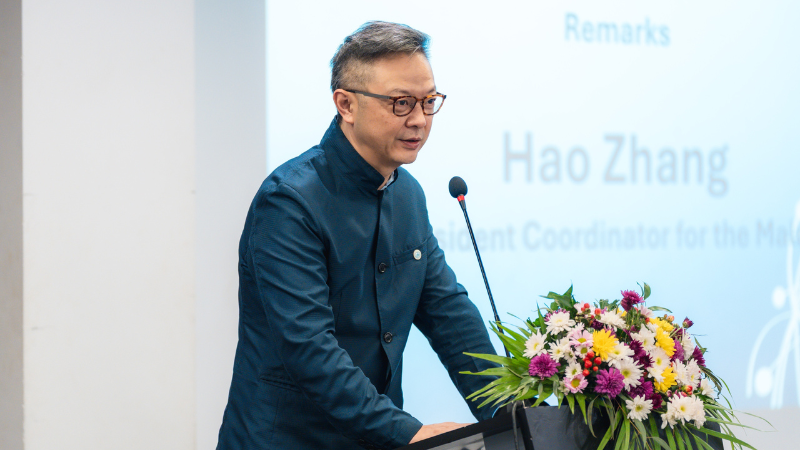
Opening remarks was also given by the UN Resident Coordinator to the Maldives Mr. Hao Zhang who reflected on the importance of enhancing early warning systems in the Maldives to address growing concerns on the impacts of climate change.
One of the components of the dialogue was the implementation of the SOFF-funded UNEP Investment Phase, which aims to enhance national meteorological and observational capacity in alignment with the Global Basic Observing Network (GBON).
Technical discussions explored:
- The current status and future direction of early warning systems in the Maldives
- Opportunities and challenges in strengthening meteorological infrastructure
- The application of climate data for sectoral planning and decision-making
- International experiences and good practices in weather and climate services
Participants also examined how improved climate information can support preparedness for priority risks such as flooding, coastal erosion, and extreme weather events.
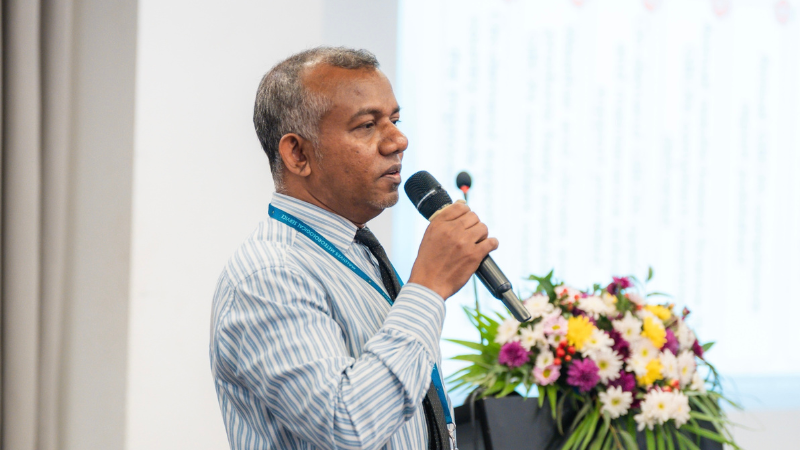
A dedicated stakeholder session enabled participants to share insights on the use and requirements of climate data across sectors. Discussions highlighted the importance of:
- Strengthening coordination between institutions
- Improving data sharing and integration
- Ensuring that early warning information reaches communities effectively
The workshop reinforced the need for more integrated and collaborative approaches to climate resilience, moving beyond sector-specific planning.
The workshop also marked the official inception of the GCF TRACT Project, supported by the Green Climate Fund. The project aims to enhance climate resilience through strengthened early warning systems and institutional capacity.
The session introduced:
- The project’s objectives, scope, and implementation approach
- Linkages with ongoing Early Warnings for All (EW4ALL) initiatives
- Contributions from key national stakeholders, including NDMA, MRC and CAM.
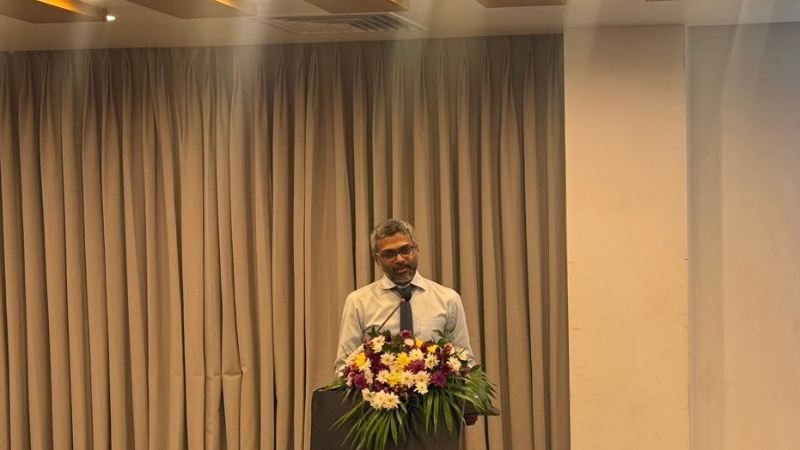
The workshop was closed by the Director of Climate Change Department Mr. Ahmed Waheed who highlighted the collaborative effort it took to get projects such as TRACT approved as well as the importance of climate finance for adaptation actions for countries like the Maldives.
As a Small Island Developing State highly vulnerable to climate change, the Maldives continues to prioritize investments in climate data, early warning systems, and institutional capacity. The joint implementation of the SOFF UNEP Investment Phase and the GCF TRACT Project represents an important step toward building a more climate-resilient, data-driven, and prepared nation, ensuring that communities are better equipped to anticipate and respond to climate-related risks.