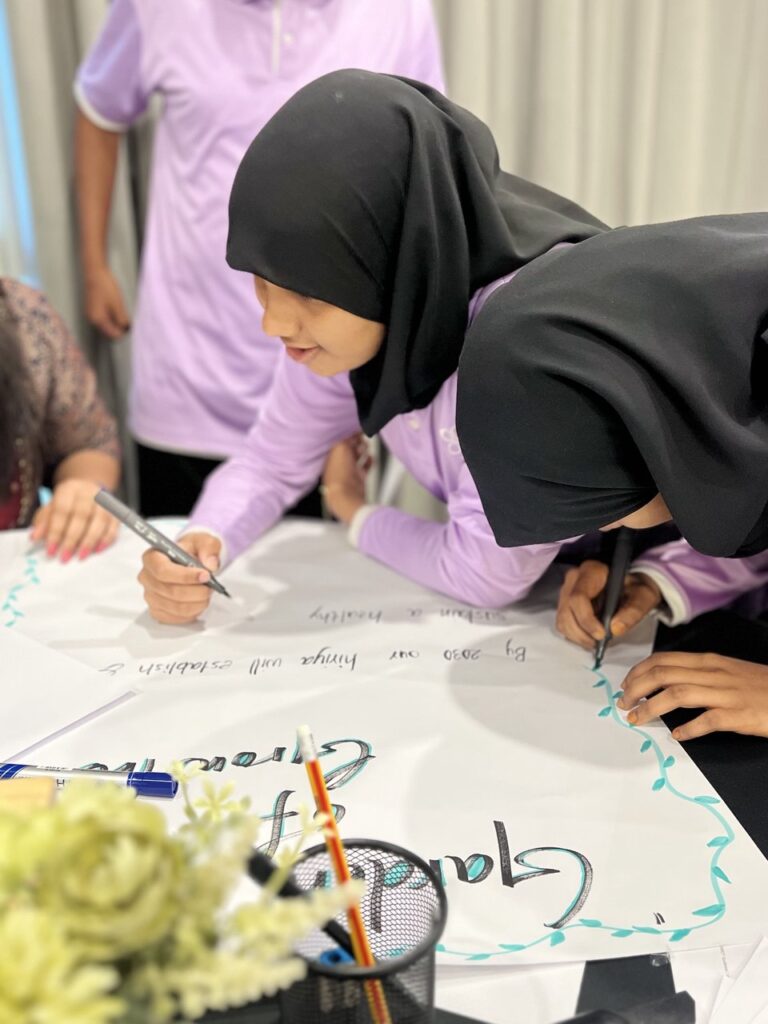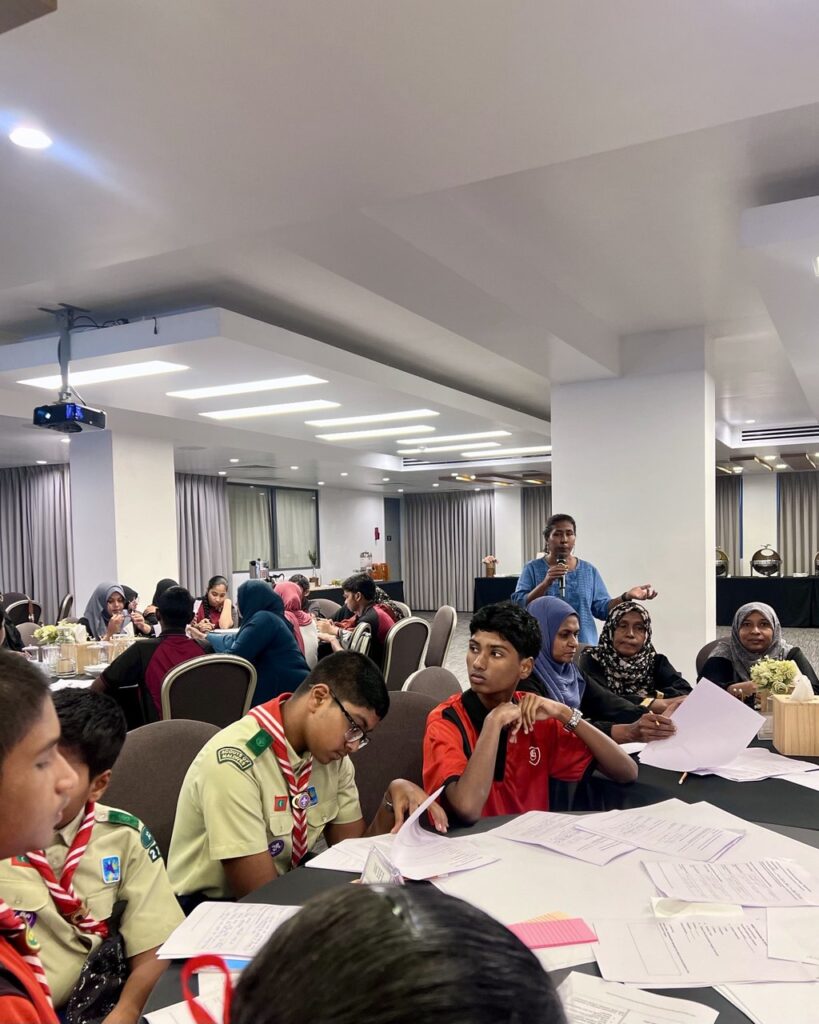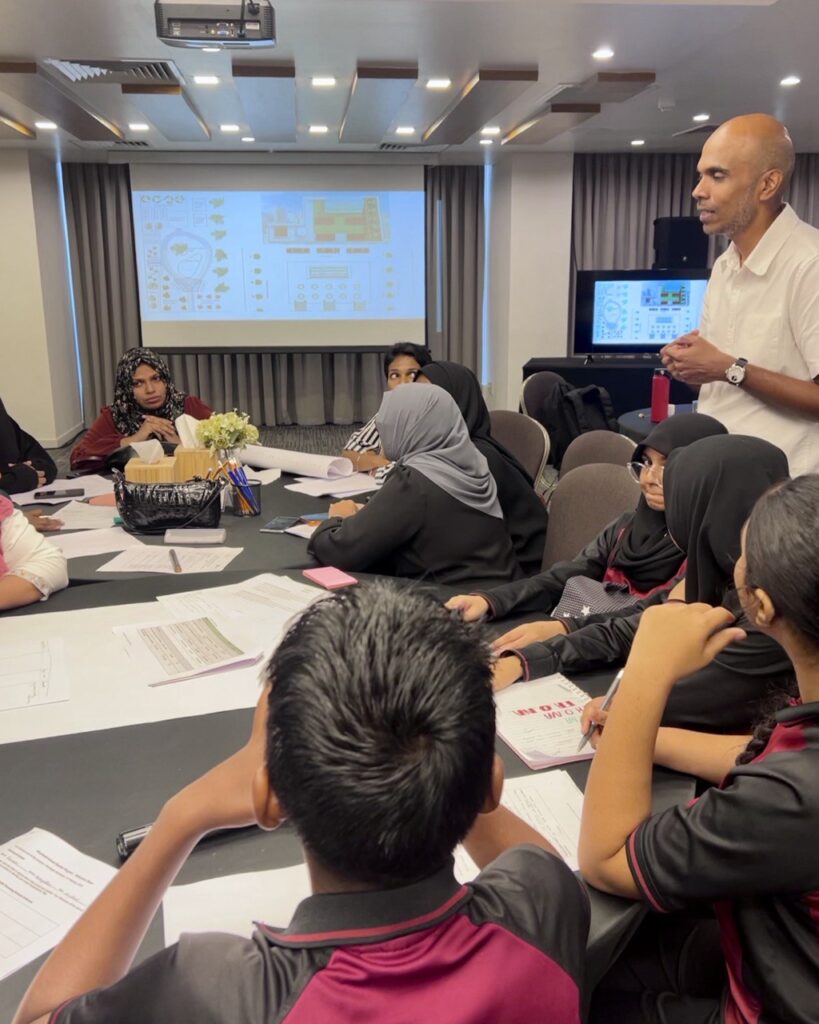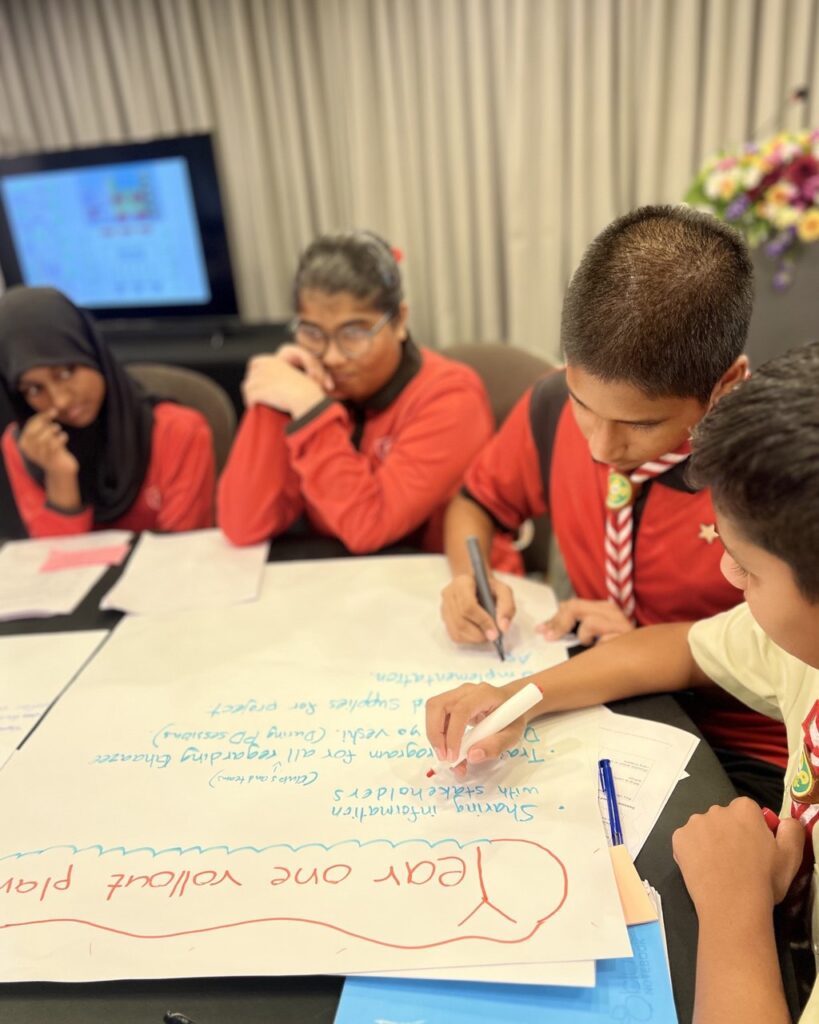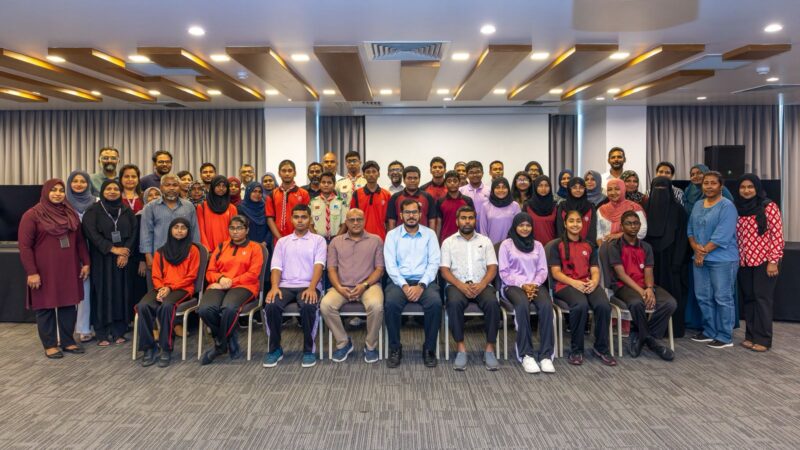
The Ministry of Tourism and Environment (MOTE) has officially launched the School Garden Program in collaboration with the Ministry of Agriculture and Animal Welfare and the Ministry of Education. The program was launched during an orientation workshop held on 14th February 2026 at Meeruma, Malé. The initiative is being implemented by the Climate Change Department of MOTE under the Enhancing Climate Resilience and Food Security Project (ECRFS).
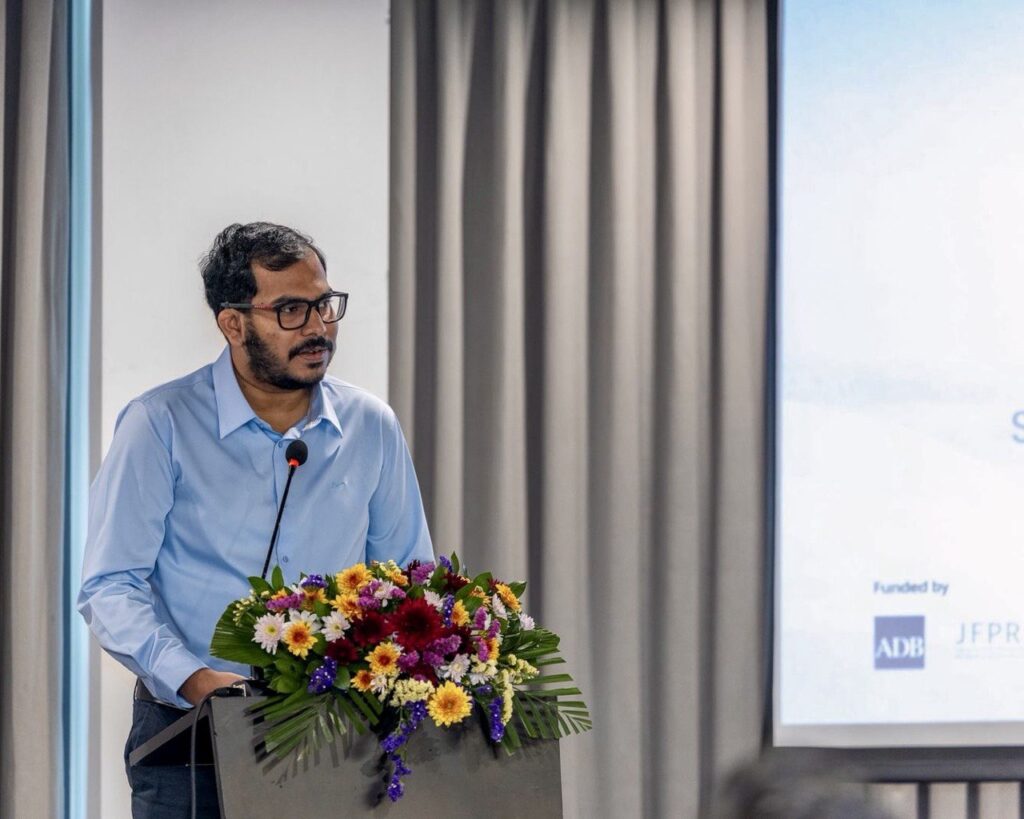
The workshop was officially inaugurated by Minister of State for Tourism and Environment, Mr. Ibrahim Mimrah, who highlighted the Ministry’s ongoing efforts to strengthen national food security in response to climate change challenges. He emphasized the importance of integrating urban agriculture into school systems by introducing diverse urban farming methods and fostering positive behavioural change among students. He further underscored the need to promote healthier school environments by prioritising nutritious food options such as fruits and vegetables.
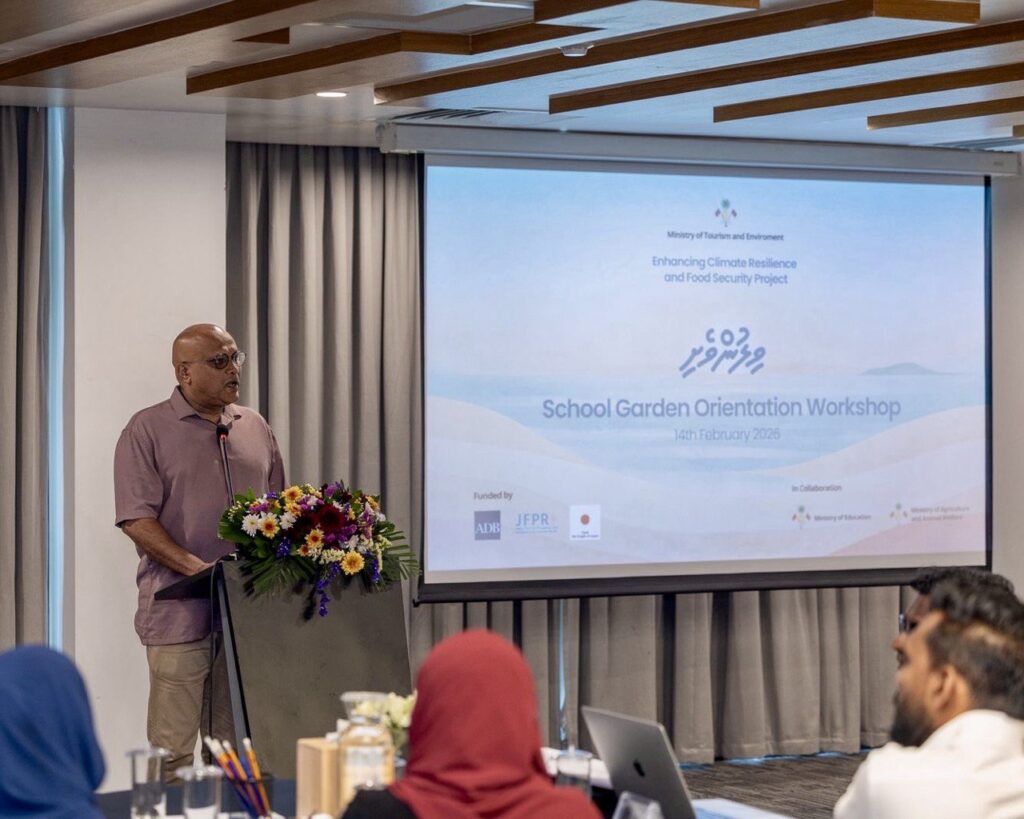

Delivering the keynote address, Ministry of Education’s, Education Superintendent, Mr. Ismail Saudulla, stressed the importance of equipping students with practical knowledge and skills that connect classroom learning with real-world environmental challenges. He noted that school-based gardening initiatives can play a vital role in nurturing environmental stewardship, responsibility, and healthy lifestyle habits among young people.
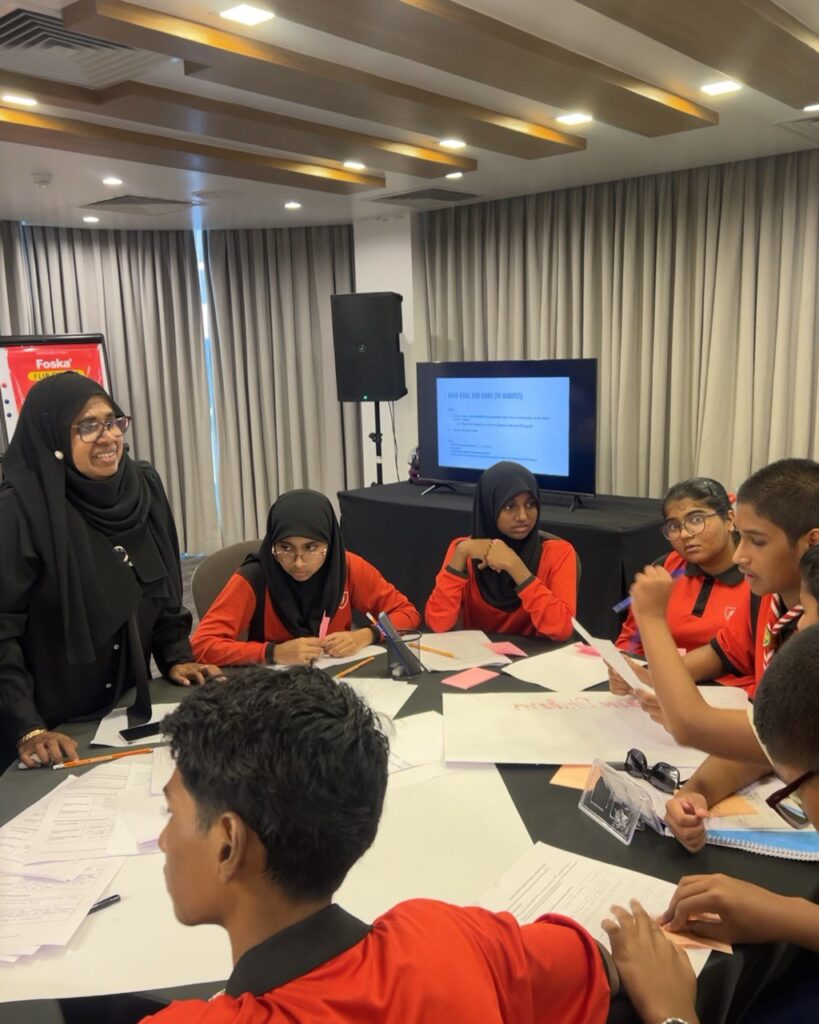
A total of 50 participants representing selected schools and relevant ministries involved in the initiative participated in the workshop. To initiate the program, three schools in the Greater Malé Area: Ghaazee School, Hiriya School, and Muhyidheen School have been selected. Preparatory work is currently underway to design and establish school gardens tailored to the specific interests and needs of each school. The program will subsequently be expanded to additional schools in later phases.
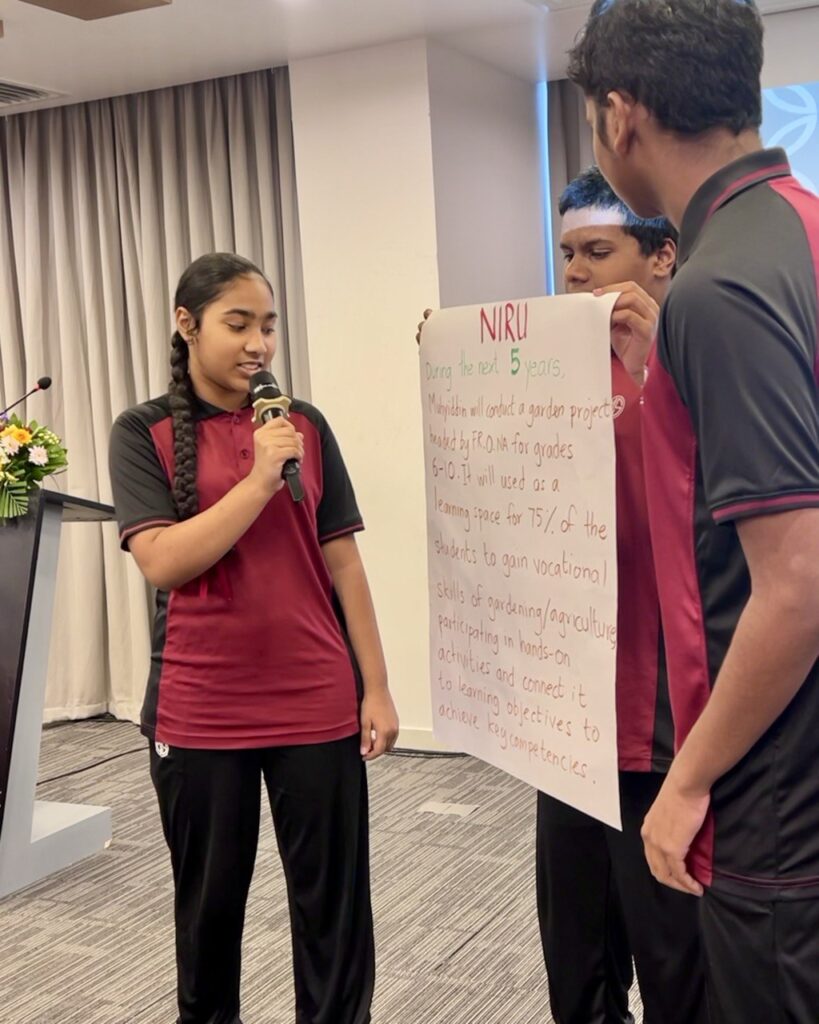
The program aims to promote hands-on learning related to the environment, climate change, and urban agriculture systems; enhance students’ awareness of nutrition and healthy food choices; build practical life skills through experiential learning; and encourage the adoption of climate-resilient and sustainable practices.
The objective of the ECRFS project is to reduce the vulnerability of Maldivian island communities to climate risks by strengthening both institutional and community capacities. Under Output 3 of the project, which focuses on promoting climate-smart technologies and practices within the agri-food system, the School Garden Program serves as a key activity. The project is funded through a combination of grants, loans, and technical assistance from the Asian Development Fund, the Japan Fund for Prosperous and Resilient Asia and the Pacific, the Ocean Resilience Coastal Adaptation Trust Fund, and the Government of Maldives.